
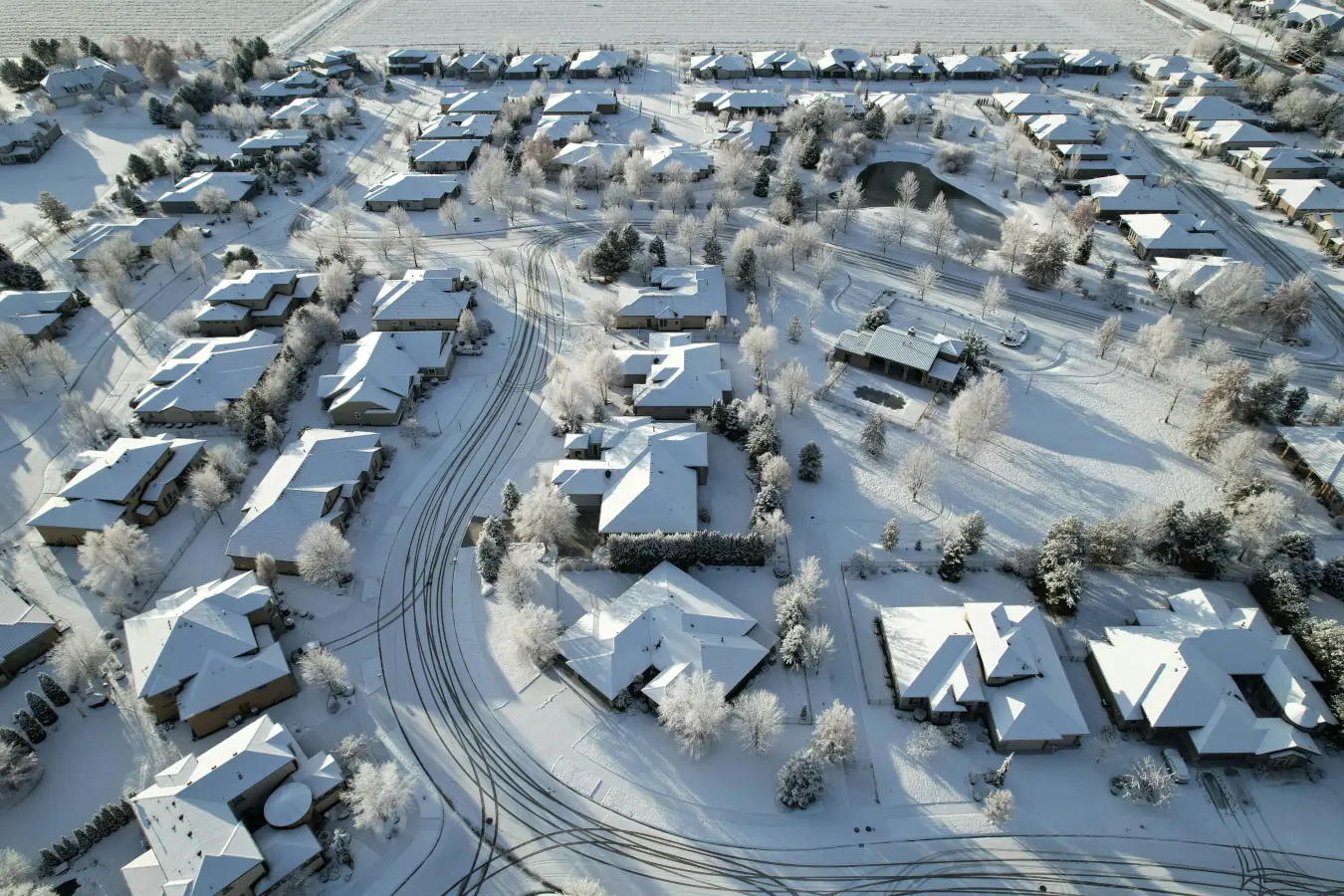
Practical guidance for homeowners and tenants
Texas winter weather can be unpredictable. When freezing temperatures, ice, and potential power outages are in the forecast, a small amount of preparation can significantly reduce property damage, prevent costly repairs, and protect personal safety. Whether you own your home or rent, the following steps will help you prepare responsibly.
1. Prepare for Possible Power Outages
Ice accumulation on power lines and increased demand on the electrical grid can lead to temporary outages.
Recommended actions:
Charge phones, battery packs, laptops, and essential medical devices in advance.
Keep flashlights readily available; avoid candles due to fire risk.
If you rely on medical equipment requiring power, confirm backup plans now.
Set refrigerators and freezers to their coldest safe setting before the storm to preserve food longer during outages.
Know how to manually open electric garage doors.
2. Protect Plumbing From Freezing
Frozen and burst pipes are among the most common (and expensive) winter-weather losses in Texas.
Steps to take:
Cover exterior hose bibs and exposed pipes with insulating covers.
Disconnect garden hoses.
Open cabinet doors under sinks located on exterior walls to allow warm air circulation.
Let faucets drip slowly during prolonged freezing conditions.
If leaving town, never turn off heat entirely—set thermostats no lower than 55°F but consider turning off the water to prevent burst pipes from flooding while you are away even if you are leaving the heat on as power may be interrupted.
Tenant note:
If you notice a leak, loss of water pressure, or suspected frozen pipe, notify management immediately. Delayed reporting often increases damage.
3. Prepare Your HVAC and Heating Systems
Heating systems work harder during freezes and are more likely to fail when maintenance is deferred.
Best practices:
Replace air filters before the cold snap.
Confirm thermostats are functioning correctly.
Keep vents and returns unobstructed.
If you use space heaters, keep them at least three feet away from flammable materials and never leave them unattended.
4. Safeguard the Exterior of the Home
Ice and freezing rain can damage exterior features and create hazards.
Checklist:
Bring potted plants indoors or cover them.
Secure or store outdoor furniture and décor.
Clear gutters if possible to reduce ice dam formation.
Park vehicles away from trees with overhanging limbs.
5. Stock Emergency Supplies
Every household should be prepared to be self-sufficient for at least 72 hours.
Recommended supplies include:
Bottled water (one gallon per person per day)
Non-perishable food and a manual can opener
Blankets and warm clothing
First-aid kit and prescription medications
Battery-powered or hand-crank radio
Pet food and supplies, if applicable
6. Know Your Responsibilities (Owners vs. Tenants)
Understanding roles ahead of time avoids confusion during emergencies.
Homeowners:
You are generally responsible for protecting your property, including plumbing, HVAC, and exterior maintenance.
Tenants:
You are typically responsible for reasonable preventive measures (e.g., dripping faucets, keeping heat on) and for promptly reporting issues. Structural repairs and system failures are usually the owner’s responsibility, but timely communication is critical.
7. Stay Informed
Monitor local weather alerts and follow guidance from local authorities and utility providers. Conditions can change rapidly, and early warnings often provide valuable time to act.
Final Thoughts
Winter weather in Texas is infrequent—but when it arrives, preparation matters. Taking proactive steps protects not only your home but also your neighbors and community by reducing emergency repairs, insurance claims, and preventable damage.
A little planning now can prevent major disruptions later.